Passenger vehicles
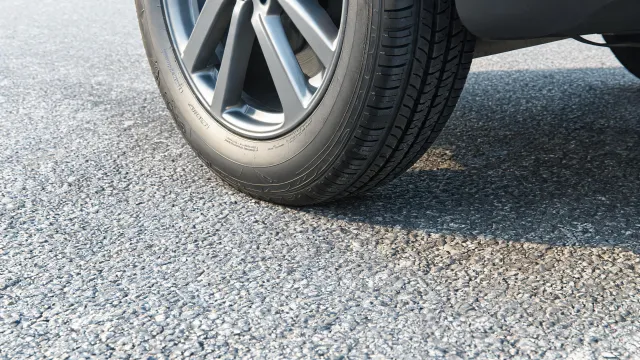
Check the placard, size, load and speed markings for daily city and highway use.
Different routes and loads call for different questions. Start with the way the vehicle is actually used.
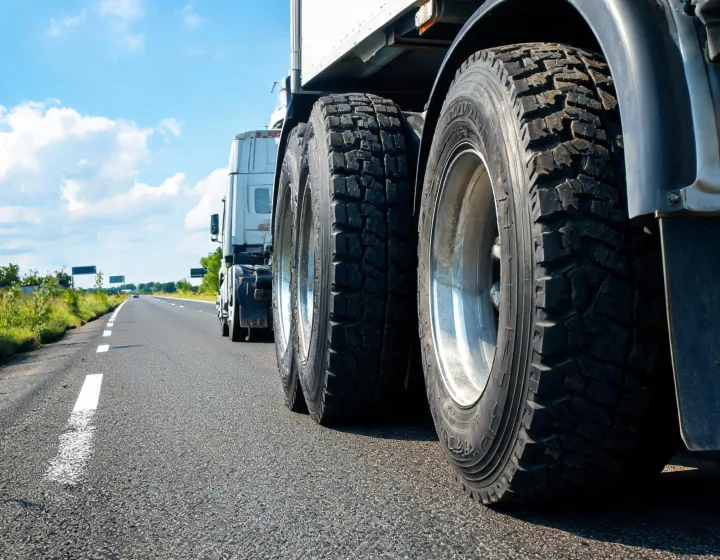
Check the placard, size, load and speed markings for daily city and highway use.
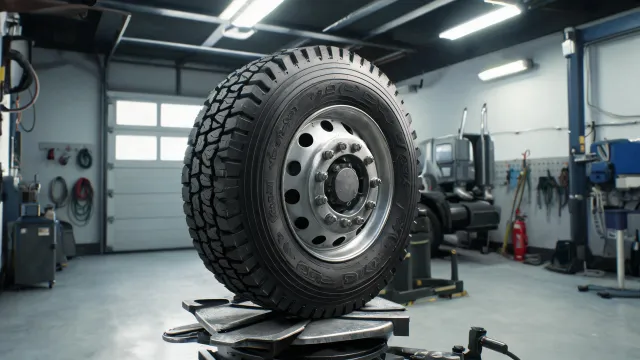
Identify steer, drive or trailer position, route, load and replacement schedule.
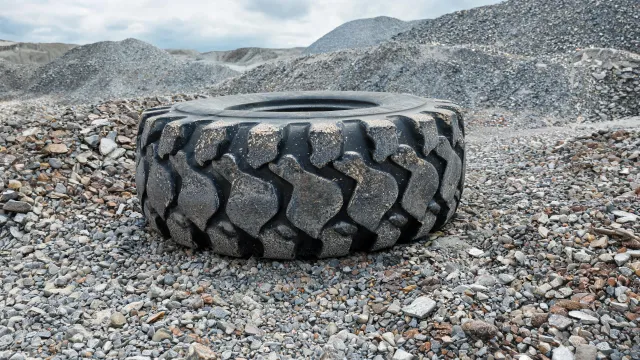
Describe surface, operating load and speed before considering an application-specific tire.
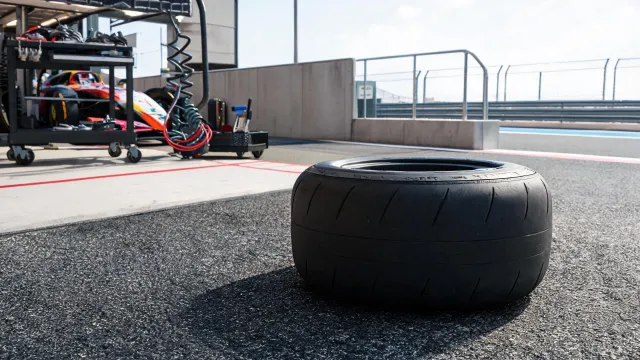
Record the vehicle, event conditions and the product's intended use and limits.

Consider axle load, field surfaces and road transfers in the application brief.
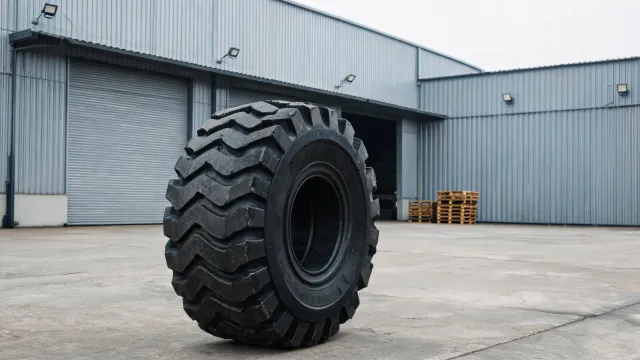
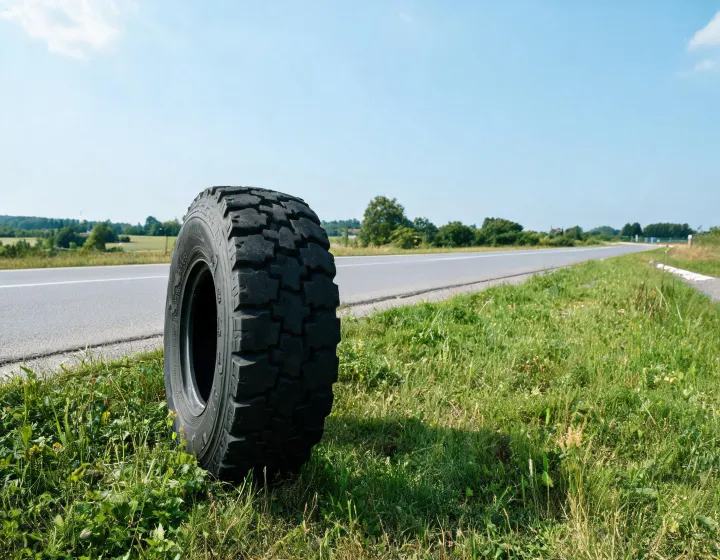
Note machine type, load and surface conditions before discussing suitable options.
These examples describe selection contexts; product availability and compatibility must be confirmed for each request.
| Application | Inputs to gather | Comparison focus |
|---|---|---|
| Urban passenger | Size, speed, climate | Wet grip and wear |
| Pickup | Axle load, road mix | Load capacity and traction |
| Fleet | Position, route, mileage | Wear and service planning |
A matching rim diameter does not prove compatibility. Confirm width, construction, load index and speed rating against the vehicle documentation. Load requirements must reflect the intended axle and operating conditions, not only an unloaded vehicle.
Radial construction is often considered for road use and heat management, while bias construction may suit some low-speed severe-service duties; neither choice is universal. Where low rolling resistance is important, review it alongside wet traction and tread life using a comparable test method. A tire suited to a highway route may not be the right choice for frequent loose-surface work. Ask for evidence specific to the product and market before treating an approval as applicable.
When comparing a replacement, capture the full sidewall marking and check the vehicle manufacturer's recommendations. For commercial programs, axle position and load distribution provide context that a size code cannot convey. State whether the inquiry concerns original equipment or replacement service, and include operating speeds and environmental conditions.
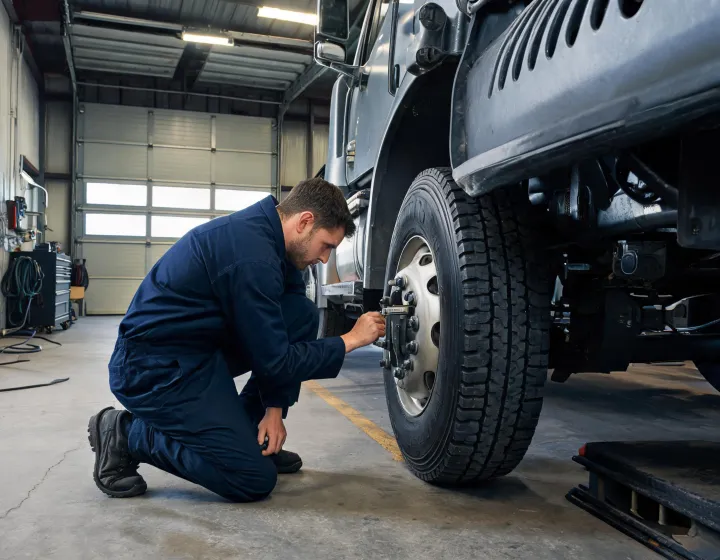
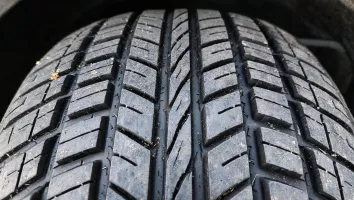
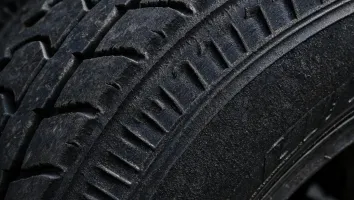

A tread inspection, route description and load record together provide a useful starting point. Photos of the sidewall can help communicate the current size, but they should be checked against the vehicle placard.
For a fleet, include how the tire is maintained and replaced across the route. The same vehicle can experience very different demands in city stop-start service and sustained highway travel. Recording those differences helps make later comparisons more meaningful.
Share your route, axle position and operating load to begin an application-specific discussion.